Local pros. Clear results.
Well Water Testing in Wilmington, NC
Accurate sampling and professional lab analysis to check for bacteria, nitrates, metals, and more. Serving homes on private wells across Wilmington, NC.
Know what’s in your well water
When water suddenly smells earthy or like rotten eggs, looks cloudy or rusty, or leaves blue‑green stains, homeowners want answers fast. Well water testing gives you a clear read on common health and nuisance contaminants, including total coliform and E. coli bacteria, nitrates, lead, and metals. If anyone in the home is immunocompromised, pregnant, or there’s a baby mixing formula with tap water, timely well water testing becomes even more important. Guidance from the EPA recommends testing private wells every year for bacteria and nitrates, and more often if there’s a change in taste, color, or odor (EPA well testing).
Homes around coastal areas can also notice salty taste or corrosion from chloride intrusion, especially after storms. Seasonal flooding, nearby construction, or a recent well service can disturb groundwater and introduce contaminants. Some residents test due to staining on fixtures or metallic taste that points to iron or manganese. Others are preparing for a home sale, or they need a lender‑approved lab report with chain of custody. Whatever prompted your concern, well water testing connects you with local pros who follow proper sampling protocols and deliver results you can understand. Office hours are Monday through Friday, 9 AM to 5 PM, and questions can be directed to (910) 765-8593.

What well water testing involves
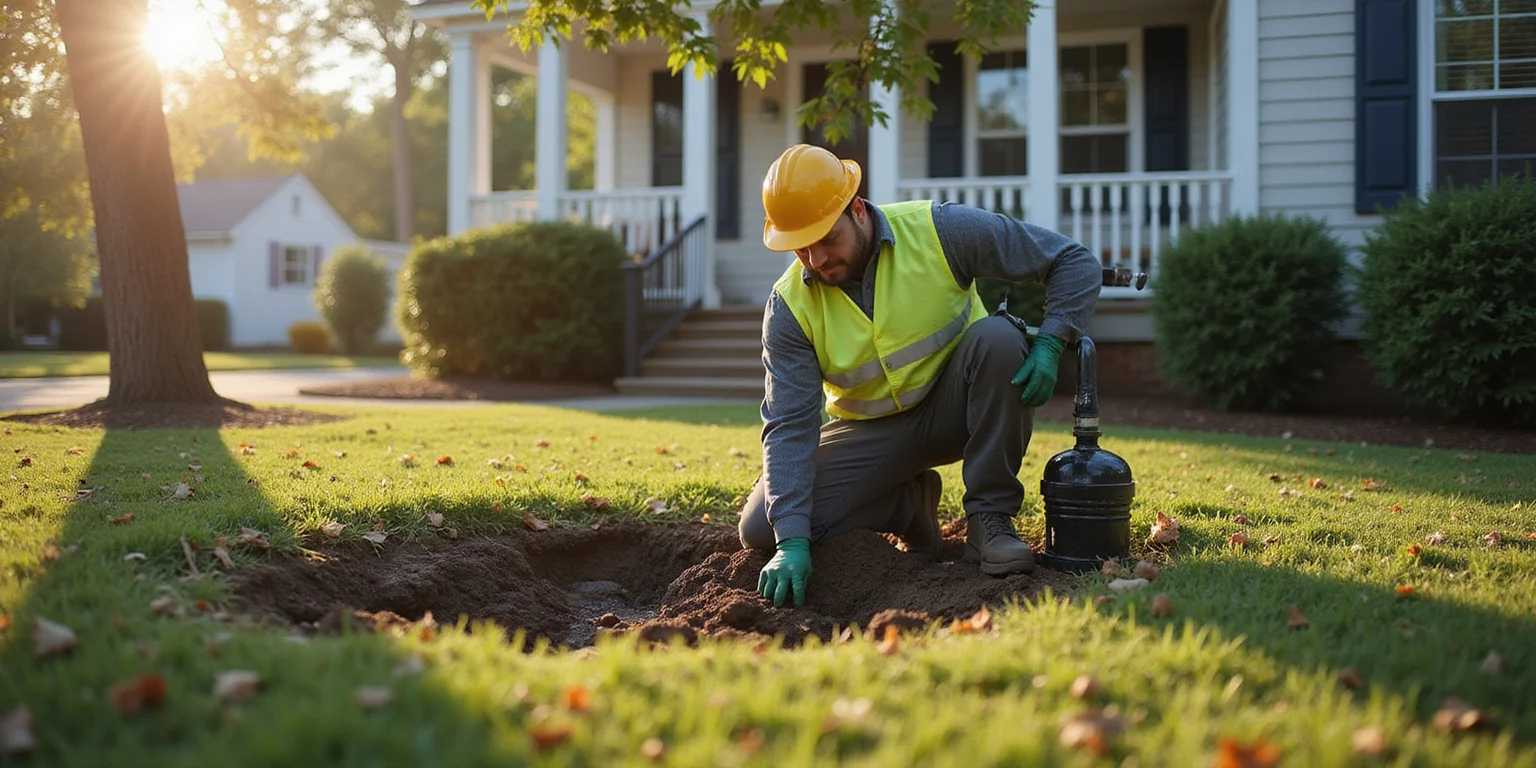
Matched local pros focus on one thing here: collecting samples for well water testing the right way, so the lab report truly reflects what’s coming from your tap. They begin by confirming where to sample - often a cold‑water tap closest to where water enters the home... to avoid filters or devices that could skew results.
Before any bottle is filled, the technician reviews your concerns (taste, odor, staining, health needs) and the purpose of the report (routine screening, home sale, lender requirement). That helps define which analyses to run. For many homeowners, a core panel checks bacteria, nitrates/nitrites, and key metals; others may add hardness, pH, iron/manganese, salt indicators, VOCs, or PFAS where available.
Sampling follows strict cleanliness and timing steps. The faucet aerator may be removed, and the line flushed. Some bottles include preservatives and must be filled to a marked line without touching the inside of the cap or container. Temperature control matters too... certain samples are kept on ice and delivered to the lab within set holding times. All of this protects data quality.
Chain‑of‑custody documentation travels with your samples from kitchen sink to laboratory bench. Local pros work with accredited laboratories, complete required forms, and manage transport on the same day for tests with tight holding times, such as coliform bacteria. If your home relies on treatment equipment, they can collect both raw well water and post‑treatment samples when a comparison is helpful.
Once the lab finishes analysis, you receive a clear report. It lists each contaminant tested, the measured level, and how that result compares to health‑based guidelines or secondary standards for taste and appearance. If something is elevated or out of range, the pro explains what that means and typical next steps, like targeted retesting to confirm a hit, shock disinfection for bacteria issues, or discussing treatment options with a qualified water professional.
Bacteria Screening
Total coliform and E. coli checks to flag sanitary concerns in private wells.
Nitrates And Nitrites
Important for households with infants; also indicates surface-water influence.
Lead And Copper
Evaluates corrosion or plumbing contributions to metals in drinking water.
Iron, Manganese, Hardness And Ph
Explains staining, taste, and scaling issues that affect fixtures and appliances.
Expanded Metals Panel
Arsenic and other trace metals where geology or history suggests a risk.
Chloride, Sodium And Sulfate
Useful near the coast or after storms to look for salt intrusion.
Vocs And Petroleum Indicators
Optional when there’s a history of tanks, solvents, or nearby industrial activity.
Pfas Screening (Where Available)
Checks for emerging contaminants using specialized laboratory methods.
What affects the price of well water testing
The cost of well water testing depends first on scope - what you need to test for and how many sample points are involved. A basic safety screen for bacteria and nitrates is different from an expanded panel that adds metals, corrosivity indicators, VOCs, or PFAS. Lender or real‑estate packages may also include specific forms and signatures that guide the selection.
Sampling logistics can change the price. Homes that require both raw and post‑treatment samples, coordination around tenant access, or return visits for resampling after disinfection all add time. Some contaminants have short holding times and must be delivered to the lab the same day, which can influence planning.
Travel and scheduling play a role. Properties outside core routes around Wilmington, NC - such as Carolina Beach, Leland, or Hampstead; may involve longer drive times or consolidated route days. If you prefer rush turnaround from the lab when available, that faster analysis window typically carries a premium from the laboratory.
Finally, documentation needs affect scope and effort. Chain‑of‑custody forms, notarized results, or specific reporting formats requested by lenders, insurers, or buyers can expand the work beyond a simple homeowner screen. Your matched pro will outline the options and help right‑size the test panel to your situation.
Typical well water testing cost from independent local contractors: $150 - $400. See average well water testing pricing.

Why Choose Us for Well Water Testing?
Local knowledge of coastal wells
Pros familiar with Wilmington, NC conditions help tailor panels for salt intrusion, corrosion, and seasonal flooding risks.
Proper sampling and documentation
Clean technique, correct bottles, and chain of custody protect data quality and meet lender or real‑estate needs.
Accredited lab partners
Samples go to recognized laboratories with methods appropriate for drinking water, so results are dependable.
Clear, easy‑to‑read results
You receive plain‑language explanations and next‑step guidance if something is out of range.
Convenient weekday scheduling
Visits are planned around typical 9–5 availability from our office at 2011 Corporate Dr, #7, Wilmington, NC 28405, with routes across the Wilmington area.
Right‑sized test panels
From a basic safety check to expanded contaminants, the scope matches your well’s history and your goals.
How the well water testing process works
Brief Intake And Test Plan
Share your address, well details if known, and concerns (taste, odor, staining, health needs). The pro recommends a test panel that matches your goals, like a routine safety screen or a home‑sale package.
On‑Site Sampling Visit
The technician selects an appropriate tap, removes aerators if needed, flushes lines, and follows sterile bottle and fill requirements. Preserved bottles are handled carefully and labeled to the lab’s standards.
Chain Of Custody And Delivery
Samples are documented, temperature‑controlled where required, and delivered to an accredited laboratory within each test’s holding time. Paperwork travels with the samples for traceability.
Laboratory Analysis And Report
The lab performs the requested analyses and issues a report. Your pro explains results in plain language and compares them to health or secondary standards so you know what’s normal and what isn’t.
Follow‑Up Guidance
If a contaminant is detected, the pro can suggest confirmatory retesting and general remediation paths, such as disinfection for bacteria or treatment discussions with a qualified water specialist.
Septic Tank Inspection Wilmington NC Is Proud to Serve the Wilmington, NC Area
Well Water Testing FAQs
How often should well water testing be scheduled for a private well?
Most homes schedule well water testing every year for bacteria and nitrates, and any time there is a change in taste, odor, or color. Additional testing is smart after flooding, construction near the property, or well repairs. Households with infants, elderly adults, or immunocompromised members may benefit from more frequent checks.
What contaminants are included in well water testing, and can I customize the panel?
A common well water testing panel covers total coliform and E. coli, nitrates and nitrites, lead, copper, iron, manganese, hardness, pH, and sometimes chloride and sodium. You can add VOCs, arsenic, or PFAS where available based on your well’s history and concerns. Local pros help right‑size the list so you are not over‑ or under‑testing.
How long do well water testing results take to come back?
Turnaround depends on the analyses requested and the lab’s schedule. Many core tests return within a few business days after sampling, while specialty analyses can take longer. Your pro will note expected timelines when planning the visit.
Do I need to do anything before my well water testing appointment?
If you have removable faucet aerators or point‑of‑use filters at the sampling tap, leave them in place for the technician to evaluate. Avoid shocking the well, changing filters, or running treatment equipment in unusual ways right before sampling, since that can skew results. If you have treatment devices, let the pro know so they can decide whether to test raw water, treated water, or both.
Will the technician need to come inside for well water testing?
Often yes, because the preferred sampling location is an indoor cold‑water tap closest to where water enters the home. If sampling must occur at an exterior spigot, the pro will still follow sterile technique and flushing steps to protect data quality. Access to the pressure tank or well head may be helpful for certain checks.
When can I schedule well water testing and how do I reach someone with questions?
Appointments are available on weekdays during normal business hours. Office hours are Monday through Friday, 9 AM–5 PM at (910) 765-8593. If after‑hours questions come up, a pro will follow up on the next business day.
Contact Us Today for a Free Estimate
Free — no obligations