Wilmington Septic Inspections, Pumping & Repairs.
Septic Tank Inspection in Carolina Beach, NC
Coastal systems need careful attention. Local pros handle inspections, pumping, maintenance, well water testing and repairs for island homes.
Island septic help made simple
Septic tank inspection in Carolina Beach, NC is easy to set up with Septic Tank Inspection Wilmington NC. We connect homeowners in Carolina Beach, NC with local septic tank inspection pros who understand coastal soils, tides and island access. You get practical help for inspections, pumping, maintenance, well water testing, percolation tests and repairs.
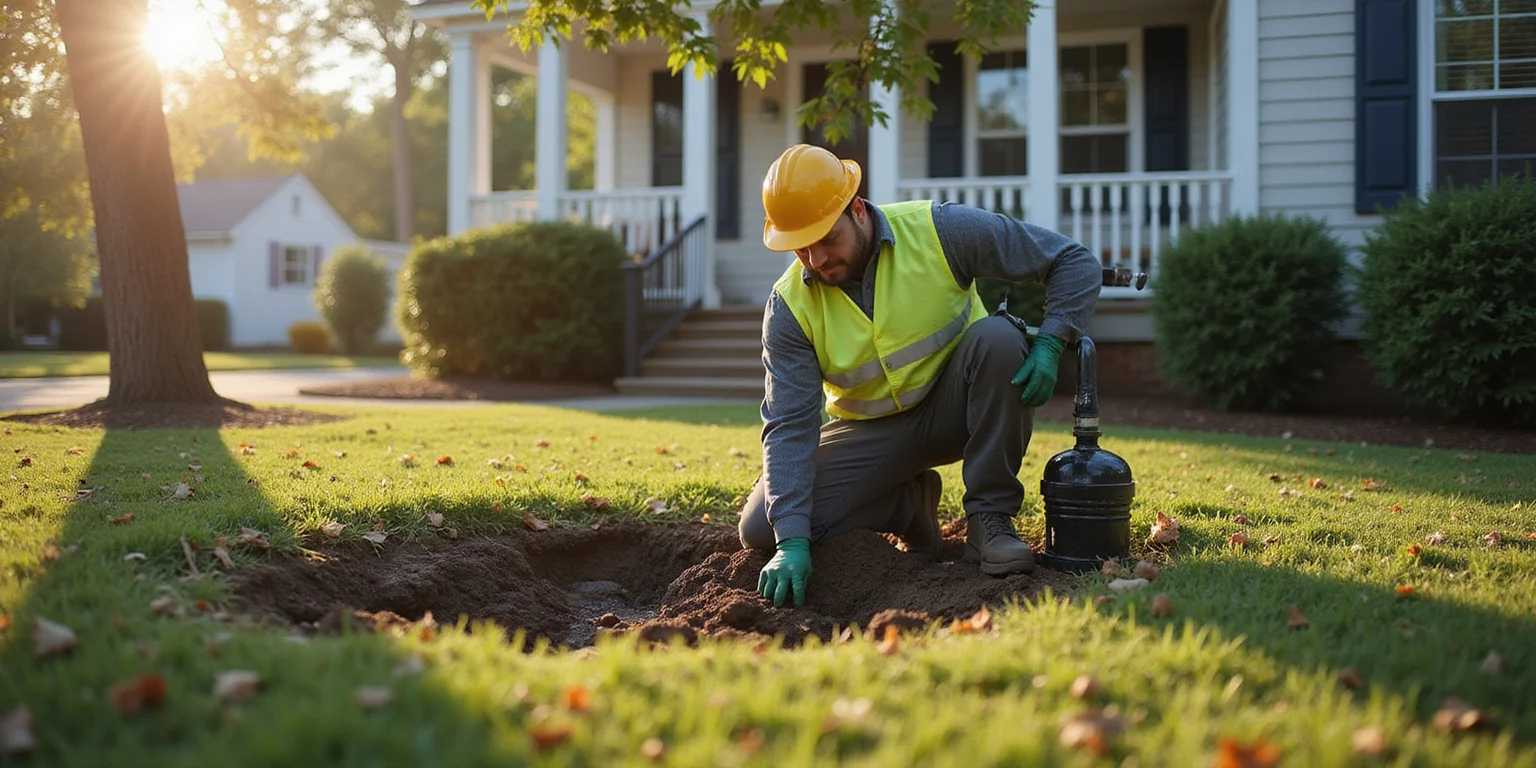
Beach towns have unique conditions: sandy lots, shallow groundwater, tight driveways, and busy summer streets. The matched contractors we work with plan arrival windows around island traffic, locate and expose lids carefully, and protect landscaping while they assess tank levels, baffles, filters, and drainfield performance.
We are in Wilmington, NC and open Monday–Friday, 9 AM–5 PM; for coordination questions during business hours, reach us at (910) 765-8593.
Carolina Beach, NC septic realities
Carolina Beach sits on a barrier island with sandy soils, a shallow water table, and tidal influence from the Intracoastal Waterway and the Atlantic. These conditions can speed drainage in one season and slow it after heavy rain or king tides, so routine septic tank inspection helps track sludge levels, baffle condition, and any signs of surfacing near driveways or dunes. Older cottages near the Boardwalk and newer elevated homes by canal streets may use different system types, but both face corrosion from salt air and shifting sands that can stress lids, risers, and distribution lines. The EPA notes that separation from groundwater and regular maintenance are essential in coastal settings EPA septic basics.
Onsite wastewater systems in New Hanover County are permitted and inspected by the county’s Environmental Health division.
Serving Carolina Beach with coastal know‑how
Carolina Beach, NC combines oceanfront, canal‑side, and state park areas that each place different demands on a septic system. Septic Tank Inspection Wilmington NC connects you with local septic contractors who work on the island week in and week out. They understand how summer crowds, king tides, and sandy soils affect inspection timing and findings, and they plan service that fits island life without disrupting your day.
Getting from the Wilmington office to the island
From our Wilmington office at 2011 Corporate Dr, #7, Wilmington, NC 28405, crews typically head south via South College Road (NC‑132) to Carolina Beach Road (US‑421 S), then cross Snow’s Cut Bridge onto the island. Depending on time of day, they may favor alternate connectors to avoid congestion around Monkey Junction. Arrival windows account for seasonal slowdowns, bridge traffic, and events near the Carolina Beach Boardwalk or Carolina Beach State Park so inspections and pumping can be staged at calmer parts of the day.
What an inspection covers here
Island inspections follow proven steps, adapted to coastal conditions. Pros confirm system location, uncover and evaluate tank lids and risers, measure scum and sludge, check inlet and outlet baffles or tees, and examine effluent filters if installed. They look for backflow risks where groundwater runs high, assess distribution boxes and lines, and walk the drainfield for wet spots, odors, or lush growth that can hint at surfacing or dosing issues. When standing water is present after storms, inspectors note whether it is stormwater collection or septic discharge and recommend next steps in line with North Carolina onsite guidance NC Onsite Water Protection.
Pumping, maintenance and island access
Pumping is commonly paired with inspection when sludge levels are high or when dye or flow tests point to sluggish movement. On the island, pump trucks plan parking to respect narrow rights‑of‑way, shell or sand driveways, and foot traffic near popular spots like the Boardwalk and Lake Park. Long hoses reduce yard disturbance, and pros bring boards or mats to protect turf or pavers. After pumping, they reset lids cleanly, verify filter placement, and provide a plain‑language summary so you know the condition of your system and the maintenance interval that makes sense for your use.
Repairs and upgrades suited to coastal settings
If an inspection suggests repairs, island‑savvy contractors focus on fixes that handle shifting sands and salt air. Common tasks include replacing worn baffles, repairing or sealing risers, leveling distribution boxes, addressing root intrusion from live oaks, and correcting infiltration routes that let stormwater load the system. Where groundwater runs high, a dosing tank, time‑dose controls, or low‑pressure pipe distribution may be part of a long‑term plan recommended by the inspector and your county reviewer. For many homes, adding a riser and effluent filter makes future maintenance safer and faster while keeping lids accessible above shifting grade.
Percolation tests for additions and rebuilds
Adding a bedroom, finishing a space for sleeping, or rebuilding after a major renovation can change your design flow. In those cases, a percolation test and site evaluation help determine whether the existing drainfield has the capacity and separation needed, or whether a modification is required. On canal‑side and marsh‑edge streets, soil and water table conditions can vary across a single lot; local evaluators account for that so the design matches the part of the yard that performs best throughout the year.
Well water testing when needed
Most island homes use public water, but some properties on the outskirts or long‑held lots may rely on a private well. If that’s your setup, matched contractors can coordinate well water testing during the same visit as an inspection when scheduling and lab timing align. Typical screening checks for bacteria and basic chemistry that may indicate cross‑influence from a struggling septic system or shallow groundwater. Results guide any follow‑up maintenance and help protect your household’s drinking water.
Planning for dunes, driveways, and tight spaces
Carolina Beach lots can be compact, with parking tucked under elevated homes and landscaping shaped by salt, wind, and sand. Inspectors note the safest access route, confirm utility clearances, and use hand tools when needed to avoid damaging irrigation or dune plantings. On narrow one‑way streets near the Boardwalk or busy areas around Lake Park, crew leads coordinate staging so equipment never blocks neighbors and hoses stay clear of walkways. The goal is careful inspection with a clean, tidy finish.
Seasonal timing and what to expect
Summer and holiday weeks bring extra vehicles over Snow’s Cut Bridge, and special events around the Boardwalk or Carolina Beach State Park can add delays. Schedules are built with those patterns in mind. Inspectors communicate a window, update if traffic builds, and proceed with the work efficiently once on site. After heavy rains or high tides, they may recommend letting groundwater recede before certain diagnostic steps so findings reflect the system’s true performance rather than temporary ponding.
Clear reporting and next steps
When the visit is complete, you receive straightforward notes on tank condition, components, drainfield observation, and any recommendations. If pumping was performed, you’ll know the measured volumes and the suggested maintenance interval based on household size and use. If repairs, a percolation test, or design changes are appropriate, the report will outline practical options to review with the county where applicable. For budgeting questions, see septic tank inspection and pumping costs in Carolina Beach, NC for general factors that influence pricing; exact figures depend on your system and site.
Our Carolina Beach coverage
Matched contractors serve the whole island; from neighborhoods near Carolina Beach State Park and Snow’s Cut to streets close to the Boardwalk and the north‑end beach access. Services include septic tank inspection, septic tank pumping, septic tank maintenance, well water testing, percolation test, and septic tank repair. With routing that starts at 2011 Corporate Dr, #7, Wilmington, NC 28405 and staging adapted to island traffic, you get knowledgeable help grounded in local conditions and a plan that fits your property.
Our Services in Carolina Beach, NC
Carolina Beach, NC septic tank inspection pricing from independent local contractors matches the rest of the Wilmington, NC area: $200 - $450. See Carolina Beach, NC septic tank inspection pricing.
Why Carolina Beach, NC Chooses Septic Tank Inspection Wilmington NC
Coastal system expertise
Island soils, shallow water tables and salt air get factored into every inspection, maintenance plan and repair recommendation.
Local routes, realistic windows
Arrival windows consider Snow’s Cut Bridge traffic, summer crowds and event schedules so visits land at practical times.
Tidy, low‑impact service
Crews use boards, mats and long hoses to protect shell drives, pavers and dune plantings while locating and accessing lids.
Straightforward reporting
You receive clear notes on tank levels, components, and field observations with plain next steps tailored to your property.
Vetted contractors
We connect you with licensed, insured pros who work in Carolina Beach regularly and know how coastal systems behave.
Flexible coordination
When scheduling allows, inspections can be paired with pumping or well water testing to reduce repeat visits.
Septic Tank Inspection FAQs in Carolina Beach, NC
During a septic tank inspection in Carolina Beach, NC, do pros account for salt air and ocean exposure?
Yes. Inspectors check risers, lids and metal components for corrosion from salt air and recommend replacements or seals where wear shows. They also note shifting sands and wind exposure that can affect access or cover depth so lids stay safely reachable over time.
Which route do local pros typically use to reach a septic tank inspection in Carolina Beach, NC, and what can affect timing?
Crews usually travel south from Wilmington via South College Road to Carolina Beach Road and cross Snow’s Cut Bridge onto the island. Summer beach traffic, bridge lane work and events near the Boardwalk or Lake Park can slow things briefly, so schedules include a window to account for those patterns.
How do dune sands and the shallow water table influence a septic tank inspection in Carolina Beach, NC?
Sandy soils can drain quickly in dry spells but slow down when the water table rises after storms or high tides. Inspectors look closely at baffles, tank levels and the drainfield for signs of surfacing or backflow risk and tailor maintenance intervals to seasonal groundwater changes.
For a cottage near Carolina Beach State Park or close to the Boardwalk, what access details help a septic tank inspection in Carolina Beach, NC go smoothly?
Let the inspector know about low clearances under elevated homes, tight alley parking, and any buried utilities or irrigation. Clear markers for tank lids or past service notes also help crews choose the safest path for uncovering and staging equipment in busy areas.
If I’m planning an addition on a canal‑side lot in Carolina Beach, NC, when does a percolation test pair with a septic tank inspection?
Whenever design flow increases; such as adding a bedroom or converting space for sleeping; a percolation test and site evaluation often accompany the inspection. The findings show whether the existing field can support the change or if a modification or new area is needed based on soil and groundwater.
Can well water testing be coordinated with a septic tank inspection in Carolina Beach, NC for homes that still use a private well?
Yes. While many island homes are on public water, some properties still rely on private wells. Pros can coordinate bacteriological and basic chemistry testing during the same visit when scheduling and lab timing align, then explain results and any maintenance steps to consider.
Contact Us Today for a Free Estimate
Free — no obligations