
Wilmington Septic Inspections, Pumping & Repairs.
Percolation Test in Wilmington, NC
Soil infiltration data and documentation for permit approvals, scheduled around coastal conditions.
Need a percolation test before you can move forward?
If you’re planning a new home, adding a bedroom, or replacing a failing septic system, a percolation test is often required before permits are issued. Without it, your project can stall: site plans can’t be finalized, lenders may pause closings, and contractors can’t size a drainfield. Matched local pros perform a percolation test to verify that your soil can safely accept treated wastewater and that setbacks from wells, water bodies, and structures are met.
In and around Wilmington, coastal soils can be tricky... sandy surface layers over tighter subsoils, shallow seasonal water tables, and areas of fill are common. A percolation test measures how quickly water moves through native soil and documents limiting factors like mottling that signal the high-water table. Licensed evaluators dig test pits, log soil horizons, and run timed infiltration checks so your septic design can be right-sized and sited correctly for long-term performance.
Scheduling is time-sensitive. Heavy rain or saturated ground can delay or invalidate results, and some projects require coordination with the county environmental health department. The state’s on‑site wastewater rules explain how soil and groundwater conditions govern system design state on‑site wastewater rules. Questions about timing or service coverage can be handled during weekday office hours (Mon–Fri, 9 AM–5 PM) at (910) 765-8593.

What a percolation test involves
Matched local pros focus on the measurements and documentation your permit reviewer needs. A percolation test assesses how quickly water infiltrates the soil in the proposed drainfield area and whether any limiting layers; like dense clay or a seasonal high water table... affect the design. Before testing, the crew reviews your site plan, confirms proposed bedrooms, and identifies setbacks from wells, property lines, and water features.
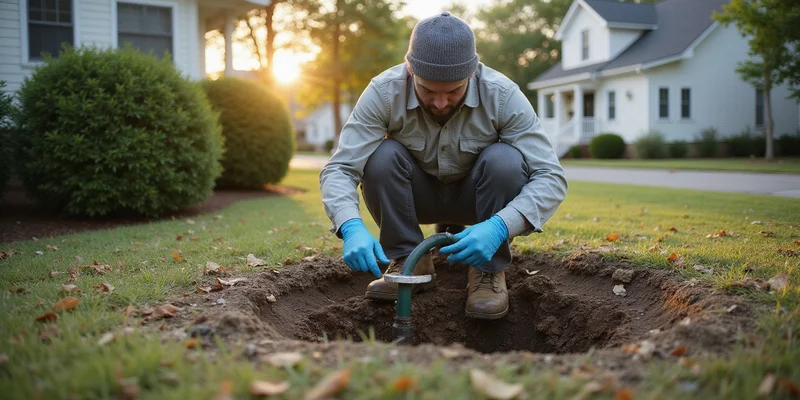
Test pits are excavated to expose the natural soil profile. The evaluator describes soil texture, structure, and color, noting any redox mottling, root patterns, or restrictive layers. This profile helps determine the depth at which treated effluent can safely disperse and whether the seasonal water table will limit trench depth.
Percolation holes are then prepared in the target soil horizon. Depending on local guidance, the holes are pre-soaked to simulate real-world moisture and reduce variability. The pro runs timed measurements; often a stabilized-head method - to calculate the percolation rate. Multiple holes are spaced across the proposed drainfield to capture variability and confirm a representative loading rate.
Site conditions are documented alongside the percolation test: surface slope, drainage pathways, floodplain indicators, and any constraints like trees, utilities, or easements. The evaluator also checks for a viable reserve area that can be used in the future if the primary drainfield needs replacement, which many jurisdictions require.
All findings from the percolation test are translated into practical design data. Using the measured rates and observed soil classes, the evaluator identifies the elevation and footprint where a conventional drainfield can work. If the test reveals shallow limiting layers or high water, the report will note those constraints so a designer can consider alternatives within local rules... even when the primary goal is a standard gravity system.
Finally, you receive clear documentation. Typical deliverables include soil logs, percolation data sheets, location sketches or GPS points, photographs of the test pits, and a summary that aligns with county environmental health requirements. This package helps your septic designer and your reviewer reach decisions without unnecessary back-and-forth.
New System Siting
Soil logging and percolation test in the proposed drainfield area to size trenches and set elevations for a new build.
Replacement System Verification
Testing in or near the existing field or an alternate area to confirm a suitable location for a failed or aging system.
Bedroom Addition Review
Focused percolation test to verify capacity when a project increases bedrooms and triggers septic evaluation.
Repair Area Mapping
Identification and documentation of a compliant reserve area to meet local requirements for future repairs.
Coastal High‑Water Assessment
Observation of mottling and other indicators to determine seasonal high water table that can limit trench depth.
Slope And Drainage Considerations
Field notes on grade, runoff patterns, and setbacks to reduce erosion risk and protect nearby waters.
Percolation test cost factors
Pricing for a percolation test depends on the site and the scope of documentation required. Properties with varied soils or multiple candidate drainfield areas usually need more test pits and infiltration holes, which means additional time on site and in reporting.
Access and equipment influence cost. Hand-dug pits can work in open, shallow test areas, but a mini-excavator may be needed for deeper profiles or compacted ground. Clearing brush, scheduling utility locates, or managing standing water can also add steps.
Weather and timing can affect the visit. If recent rain leaves soils saturated, retesting or a return visit may be necessary to capture valid percolation rates. Some sites need extended pre‑soak periods to stabilize readings, which can lengthen the appointment.
Documentation needs vary. A basic field summary differs from a permit-ready package with soil logs, sketches, photos, and coordination notes for the county reviewer. When a health department conference or site meeting is required, that added time is factored in.
Travel and crew time are also considered. Distance within the greater Wilmington area, the number of personnel needed for safe excavation, and any post-test restoration are part of the overall scope.
Independent local contractors typically charge $600 - $1,200 for percolation test. See percolation test costs in Wilmington, NC.
Why Choose Us for Percolation Test?
Local code alignment
Pros in the network follow New Hanover and nearby county requirements so results match what reviewers expect.
Coastal soil know‑how
Experience with sandy caps, perched water tables, and fill helps avoid retests and keeps designs realistic.
Permit‑ready documentation
Clear soil logs, data sheets, and site sketches reduce back‑and‑forth and speed up septic approvals.
Right‑sized testing
Crews test enough locations to capture soil variability without overscoping the job.
Respect for your property
Careful excavation, neat backfilling, and minimal disturbance keep your yard orderly.
Weekday scheduling
Appointments are set during normal business hours to coordinate with inspectors and homeowners.
How local pros handle a percolation test
Intake And Site Review
The pro reviews your parcel map, proposed bedroom count, and any existing septic records to plan where testing should occur.
Utility Locates And Prep
Public utility locates are arranged and the test area is marked. Light brush is cleared as needed to access safe digging spots.
Soil Profile Pits
Test pits are excavated to log soil horizons, identify restrictive layers, and estimate the seasonal high water table.
Infiltration Measurements
Percolation holes are prepared in the target horizon, pre‑soaked, and timed to establish a representative percolation rate.
Analysis And Sizing Guidance
Data from the percolation test is used to recommend trench elevation, loading rate, and a feasible drainfield footprint.
Reporting And Reviewer Support
You receive soil logs, percolation data sheets, photos, and sketches suitable for submittal to the county health department.
Septic Tank Inspection Wilmington NC Is Proud to Serve the Wilmington, NC Area
Percolation Test FAQs
What does a percolation test evaluate besides the soak rate?
A percolation test measures infiltration speed and also documents soil texture, structure, and color changes that indicate limiting layers. Pros note the seasonal high water table, slope, and setbacks so the drainfield can be placed and sized correctly.
When in a project timeline is a percolation test scheduled?
It typically happens after a concept layout is chosen and before final septic design and permit submittal. For replacements, it is scheduled once the likely drainfield area is identified so design can proceed without delay.
How long are percolation test findings valid?
Validity is set by the local health department. Many jurisdictions limit how long soil evaluations apply or require retesting if grading, drainage changes, or bedroom counts change on the property.
Can rain or a high water table delay a percolation test?
Yes. Saturated ground can produce misleading readings, so pros often wait for conditions to normalize. In coastal areas, seasonal high water may also restrict trench depth, which is addressed in the report.
Do I need to be present during the percolation test?
Homeowner presence isn’t usually required, but secure access, pets, and gates ahead of time. The crew may confirm house location and bedroom count, and then proceed with test pits and measurements.
What will my yard look like after a percolation test?
Expect a few small percolation holes and one or more test pits that are backfilled and smoothed when finished. Markers or flags may remain temporarily to show the proposed drainfield area for review.
Contact Us Today for a Free Estimate
Free — no obligations