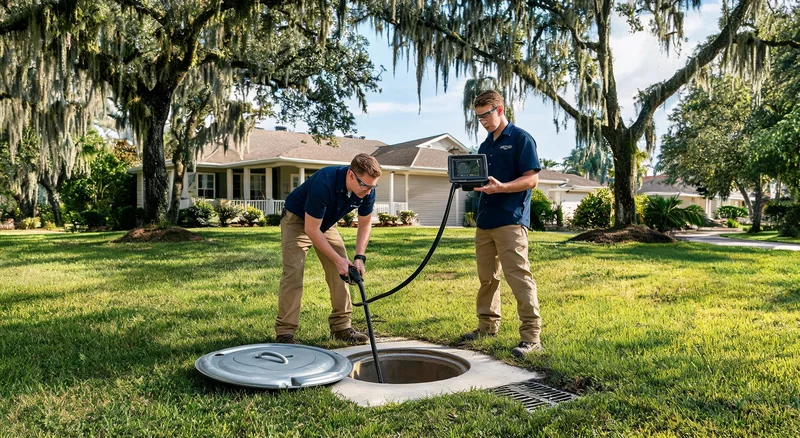
 Most popular
Septic Tank Inspection
Thorough septic tank inspections with clear reporting for Wilmington homes.
Learn more about Septic Tank Inspection
Fast, local help from vetted pros. Clear reports and practical recommendations to keep your system working.
Wilmington, NC homeowners count on Septic Tank Inspection Wilmington NC for septic tank inspection, septic tank pumping, septic tank maintenance, well water testing, percolation test, and septic tank repair.
We match you with vetted local contractors who know our coastal soils, tidal influences, and neighborhood access quirks. You get straight answers and practical options based on your site and system.
Most visits are scheduled during weekday business hours, and (910) 765-8593 is available during office hours for general questions. Crews arrive prepared for narrow drives, soft yards, and deep tank access.
From a pre-sale inspection to a maintenance check after heavy rain, our network focuses on accurate assessments, tidy work, and reports you can trust.
Most popularThorough septic tank inspections with clear reporting for Wilmington homes.
Learn more about Septic Tank Inspection
Clean, careful pump-outs by vetted Wilmington crews.
Learn more about Septic Tank Pumping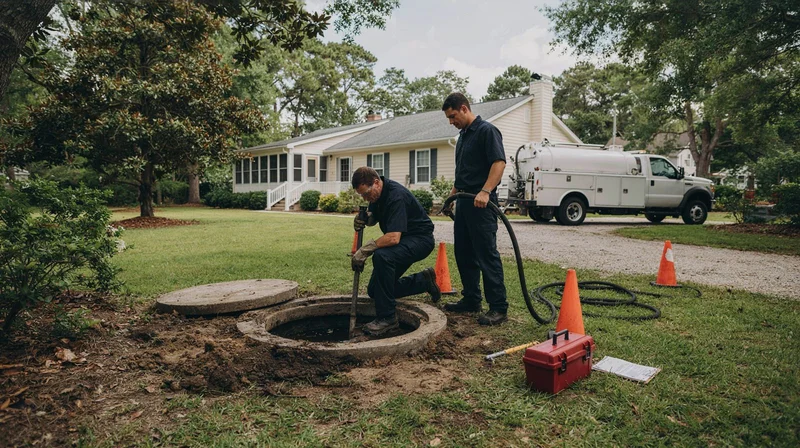
Prevent backups with scheduled care from trusted Wilmington pros.
Learn more about Septic Tank Maintenance
Lab-verified sampling for safer, better-tasting well water.
Learn more about Well Water Testing
Permit-ready soil and infiltration testing by local pros.
Learn more about Percolation Test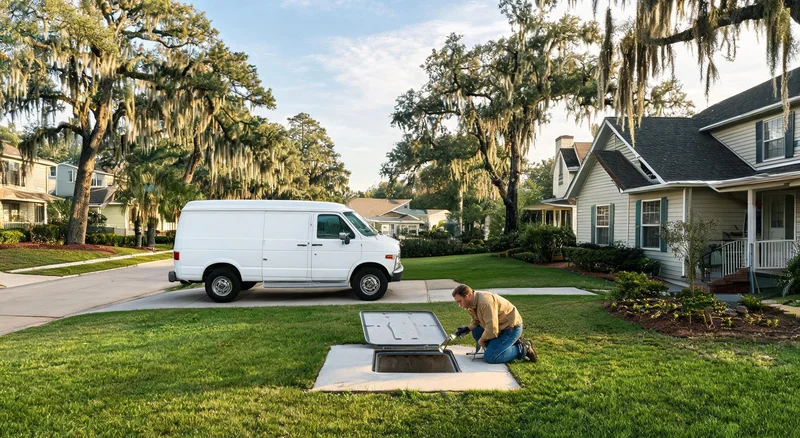
Vetted Wilmington pros fix baffles, lids, leaks, and pump components - diagnosed right the first time.
Learn more about Septic Tank RepairSlow drains, gurgling toilets, or a wet spot over your drainfield can turn into a messy, costly problem if ignored. Septic tank inspection is the first step to understand what’s happening underground and prevent backups. Septic Tank Inspection Wilmington NC connects Wilmington, NC homeowners with vetted local contractors who inspect tanks and drainfields, identify issues early, and explain the next steps in plain language.
Inspections typically include locating the tank, checking liquid levels and sludge depth, evaluating baffles and tees, assessing pump function where present, and looking for drainfield surfacing or root intrusion. You get a clear summary, photos when helpful, and practical advice on pumping, maintenance, or repairs so you can make confident decisions.
Buying or selling a home? A documented septic tank inspection helps avoid surprises at closing. After heavy rain or king tides, inspections can also confirm whether high groundwater is stressing your system. See septic inspection costs in Wilmington.
Our network prioritizes timely scheduling and careful site protection, including attention to sandy soils and high water tables common near the coast. The goal is simple: protect your home, budget, and the waterways around you with straightforward, reliable information.
A proper septic tank inspection looks beyond a quick glance at the lid. Local contractors in our network start by confirming system layout, tank location, and access depth. They measure scum and sludge layers to judge condition, check the inlet and outlet baffles or tees, and note tank material and signs of corrosion, cracks, or infiltration. If a pump tank is part of the system, controls and alarms are evaluated and the pump’s draw and cycling are observed where safe to do so.
Because Wilmington soils often run sandy with a seasonally high water table, inspectors pay close attention to drainfield performance. They look for surfacing effluent, saturated trenches, or overly lush strips of grass that may point to hydraulic overload. Where appropriate, they assess downstream components such as distribution boxes and laterals, and they document findings with photos so you can see what they saw.
If the inspection indicates that solids are approaching recommended limits, septic tank pumping can be scheduled with a local crew that has the right hose length and equipment for your property. For homes on private wells, well water testing can be coordinated for peace of mind. When property improvements are planned, a percolation test may be recommended to evaluate soil absorption and sizing for future system changes.
You’ll receive a plain-English report with next steps. That might include routine septic tank maintenance, adding risers for safer future access, minor septic tank repair such as replacing a damaged tee, or a deeper look with a camera where piping questions remain. The focus is practical guidance that fits your site, protects the environment, and helps you avoid surprise failures.
Typical septic tank inspection cost from independent local contractors: $200 - $450. See septic tank inspection costs in Wilmington, NC.
Detailed evaluation of tank, baffles, liquid and solids levels, pump controls where present, and visual checks for drainfield stress with photos and a clear report.
Scheduled pumping when inspection shows it’s due, with careful access planning to protect driveways, landscaping, and sensitive sandy soils.
Routine service plans tailored to use, tank size, and site conditions to help extend system life and reduce surprise repairs.
Water quality sampling for homes on private wells, checking key health indicators and providing easy-to-read lab results.
Soil absorption testing for new construction or additions that may affect septic sizing or drainfield placement.
Licensed pros handle fixes such as baffle replacements, riser installs, minor line repairs, and other corrective work recommended after inspection.
We connect Wilmington homeowners with vetted septic contractors for inspections, pumping, maintenance, and repairs; fast and local. From first call to final report, the focus is clear information and practical solutions that fit your property and soil conditions.
Crews regularly support homeowners across the UNCW area, along Independence Boulevard, and near Long Leaf Park. Jobs are coordinated from our office at 2011 Corporate Dr, #7, Wilmington, NC 28405, so scheduling and directions are simple and predictable on both sides of town. Many visits are completed within standard business hours, Monday through Friday, 9 AM–5 PM.
Whether you live near Halyburton Park or closer to midtown, you can expect organized scheduling, careful site protection, and reports that make next steps easy to understand. Septic Tank Inspection Wilmington NC is your one-stop connection to reliable local pros who respect your time, your property, and the waterways that make Wilmington special.
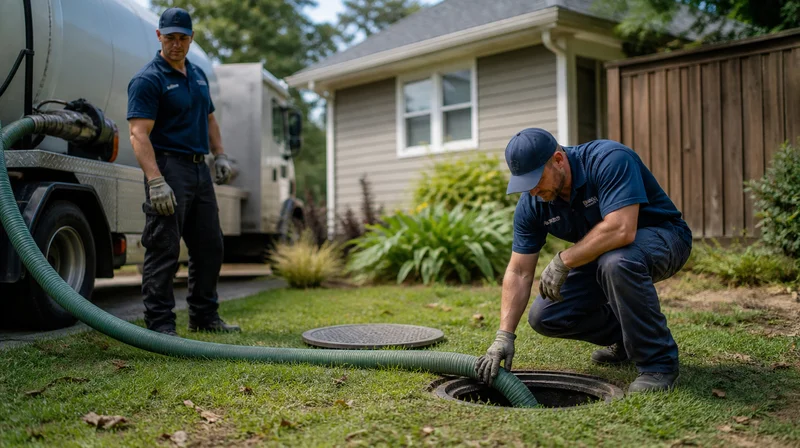
Wilmington sits on porous, sandy soils with pockets of high groundwater, especially after heavy rain or king tides. In older parts of the Historic District and areas near Greenfield Lake, systems can be shallow and sensitive to seasonal water levels. Along Bradley Creek and out toward Masonboro Sound, salt‑influenced groundwater and storm surges add stress that inspections can catch early. Many homes mix mature landscaping with tight driveways, so planning for safe tank access matters. Regular septic tank inspection helps confirm drainfield health, verify sludge levels, and flag moisture issues before they become backups or property damage.
Crews stage from our Wilmington office for quick trips across town and nearby communities. Typical routes use Market Street for Porters Neck and Ogden, Oleander Drive toward Wrightsville Beach areas, and College Road south to Myrtle Grove and Carolina Beach. Leland is usually reached via the Cape Fear crossing on US‑74/76, while Hampstead and Kings Grant are served up US‑17. Most arrivals fall within 15–45 minutes, with drawbridge openings and beach traffic occasionally adding time.
Every pro in our network is licensed and experienced with Wilmington’s soils, tides, and access challenges.
Tank levels, baffles, pump components, and drainfield clues are checked with photos and a clear, plain‑English report.
Guidance accounts for sandy soils, high water tables, and seasonal conditions common near creeks and the Intracoastal.
Quotes reflect site specifics like tank size, depth, and access. Pricing details are explained before work proceeds.
Crews plan access to protect landscaping, driveways, and sensitive yards, using mats where appropriate.
If pumping, maintenance, or repairs are recommended, you’ll know why, what’s involved, and how it helps your system.
Inspectors watch for saturated soils, surfacing effluent, and abnormal liquid levels that suggest groundwater intrusion. They also check baffles and downstream components to confirm the system can manage seasonal spikes without overloading the drainfield.
Share the tank location if known, lid depth, any risers, recent pumping dates, and notes on wet spots or odors. Mention gates, pets, or low limbs so crews can plan equipment and protect landscaping.
After heavy rain or king tides, inspectors may wait for groundwater to recede for accurate measurements. Reports often highlight temporary saturation versus ongoing system issues so you can decide appropriate next steps.
Yes. Where piping layout is unclear or blockages are suspected, contractors may recommend a camera scope or non‑staining dye test to trace flows, confirm connections, and document leaks.
If lids are buried, crews can probe to locate them and may recommend installing risers for safer future access. Any digging or riser installation is noted in the report before it proceeds.
Yes. If your home uses a private well, sampling can be coordinated with the visit. Results are delivered in an easy‑to‑read format with notes on any follow‑up recommended.
Beach traffic, bridge openings, and post‑storm backlogs can extend arrival windows. Sharing clear access notes and preferred times helps schedulers match the right crew and equipment to your property.
Reports are shared digitally and summarize tank condition, measurements, photos, and recommendations. They’re designed for homeowners and real‑estate needs, providing documentation that’s easy to forward to agents or keep for records.
Free — no obligations