
Wilmington Septic Inspections, Pumping & Repairs.
Septic Tank Maintenance in Wilmington, NC
Prevent clogs and protect your drainfield with scheduled care. Weekday service across Wilmington, NC and nearby communities.
Septic tank maintenance that prevents backups and protects your home
When a septic system starts struggling, the signs can escalate quickly - slow sinks and tubs, bubbling noises, harsh odors near the tank area, or damp patches over the drainfield. Septic tank maintenance addresses these issues before they turn into sewage backups or system damage. Homeowners want a straightforward visit that keeps essential parts clean, confirms safe flow, and spots small problems early.
Matched local pros focus on the components that most often cause trouble: the effluent filter that can load up with fine solids, inlet and outlet fittings that need to stay correctly positioned, watertight access lids and risers that keep stormwater out, and any pumps, floats, or control panels that manage movement through the system. They also check scum and sludge levels and look for settlement or corrosion around lids and seals that can let groundwater in or wastewater out.
Routine septic tank maintenance is one of the most effective ways to extend system life and protect the drainfield. It lines up with guidance from the EPA that regular care and mindful water use reduce failures and help safeguard groundwater resources EPA homeowner tips. With a maintenance-minded visit, you get clear findings and simple information about what was serviced and what to watch next.
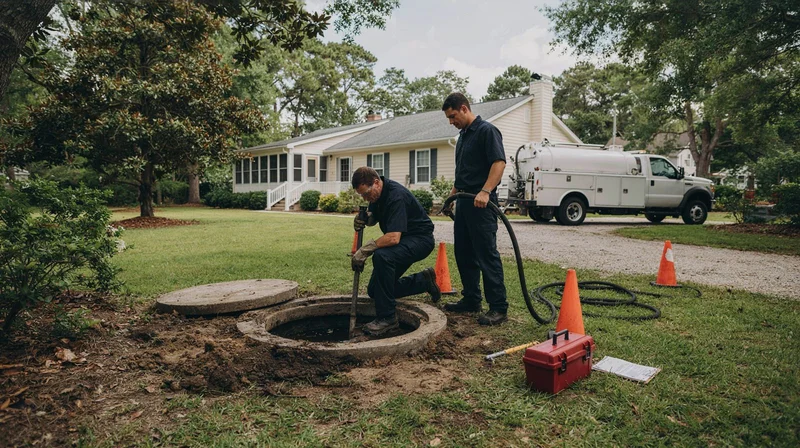
What septic tank maintenance includes
Local Wilmington technicians approach septic tank maintenance as preventative care. The visit begins by confirming your system type, age, and past service records. From there, they establish safe access to the tank, protect nearby turf and hardscape as needed, and open the access points to evaluate internal conditions before any servicing.
Effluent filter service (when a filter is installed) is a central task. Filters trap fine particles before they can travel to the drainfield. During septic tank maintenance, the filter is carefully removed, washed until flow is restored, and checked for cracks, worn seals, or a loose fit. If a replacement is advisable, the tech will note it so you can plan the next step before problems surface.
Inlet and outlet components... tees, baffles, and related hardware... are inspected to confirm they’re intact and properly oriented. These parts help keep scum and solids from leaving the tank. If hardware is missing, corroded, or displaced, the technician will document the condition and recommend fixes that protect the drainfield and keep the tank working as designed.
Access lids and risers are reviewed for watertightness. Tight seals prevent stormwater, sand, and surface runoff from entering the tank, which would overload the system. Gaskets and fasteners are inspected; minor adjustments or part swaps may be suggested when they improve safety and speed for future service.
For systems with pumps, floats, aerators, or control panels, technicians perform functional checks. They verify that pumps activate and shut off at the correct levels, alarms are working, and visible electrical connections appear secure. On aerobic treatment units, air delivery and diffusion are observed to confirm proper operation.
Technicians also measure scum and sludge layers to understand how the tank is performing between pump-outs. High or fast-rising levels are a warning sign that can stress the system. The tech will note the readings and suggest timing for the next cleaning and any other upkeep that supports healthy flow.
If accessible, the distribution box or flow-splitting device is observed for signs of uneven loading. Early detection of imbalances helps protect the drainfield by keeping effluent spread out, which supports soil treatment and reduces the risk of saturated areas.
Before closing, access points are secured, the area is tidied, and simple care notes are provided; plain guidance on water use, filter intervals, and what to avoid putting down drains so the system can do its job with less strain.
Effluent Filter Service
Remove, clean, and inspect the filter so fine solids don’t reach the drainfield.
Inlet/Outlet Baffle Check
Confirm baffles or tees are intact, positioned correctly, and protecting internal flow.
Riser And Lid Sealing
Inspect gaskets, hardware, and lid fit to keep rainwater and debris out of the tank.
Pump And Alarm Verification
Test pump cycles, float settings, and alarms for reliable operation on equipped systems.
Scum/Sludge Measurements
Record layer levels to plan future cleanings and prevent overloading.
Distribution Review
Look for signs of uneven flow that could stress part of the drainfield.
Tank Condition Review
Check visible surfaces around openings for settlement, corrosion, or infiltration.
What affects septic tank maintenance pricing
Pricing for septic tank maintenance varies based on the system and site conditions. Tank size and configuration matter, as larger tanks or multi-compartment designs can take more time to service. Systems with pumps, aeration, or control panels may require additional functional checks.
Access is another factor. Easy-to-reach lids near the surface typically reduce time on site, while deep or hard-to-locate access points can extend the visit. The condition of risers, gaskets, and lids also plays a role if parts need adjustment or replacement to secure a watertight seal.
The level of solids and the state of the effluent filter influence the scope of work. A heavily loaded filter or signs of neglect can mean more careful cleaning and inspection. If technicians identify worn components that need replacement, that recommendation will be noted so you can decide on timing and next steps.
Finally, travel distance within the Wilmington area and any documentation requirements can affect the total. Your final price reflects the combination of these factors and the specific maintenance tasks performed to keep the system operating smoothly.
Typical septic tank maintenance pricing from independent local contractors: $150 - $300. See septic tank maintenance prices in Wilmington, NC.
Why Choose Us for Septic Tank Maintenance?
Local pros, ready for Wilmington soils
Matched contractors understand coastal conditions, from sandy soils to high groundwater, and service systems accordingly.
Preventative care focus
Visits emphasize early detection and practical upkeep that help avoid drainfield stress and messy backups.
Clear findings, no jargon
You get plain-language notes on what was serviced, what was observed, and any recommended next steps.
Respect for your property
Crews plan safe access, work cleanly, and secure lids and risers so future maintenance is simpler.
Flexible weekday scheduling
Coordinated appointments across Wilmington, NC with updates so homeowners can plan around the visit.
How septic tank maintenance service works
Scheduling And Details
Provide your address, system type (if known), and any recent symptoms so the right crew and tools are assigned.
On‑Site Assessment
The technician confirms system layout, locates access points, and sets up a safe work area with minimal disruption.
Open And Evaluate
Access covers are removed, internal conditions are observed, and scum/sludge levels are measured to guide the visit.
Service Critical Components
Filters are cleaned, baffles are checked, and risers/lids are inspected and adjusted or noted for improvement.
Functional Checks
Pumps, floats, control panels, or aerators are tested on equipped systems to verify reliable operation.
Closeout And Care Notes
Access is secured, the site is tidied, and you receive simple guidance on filter intervals and everyday care.
Septic Tank Inspection Wilmington NC Is Proud to Serve the Wilmington, NC Area
Septic Tank Maintenance FAQs
What does septic tank maintenance include for a typical household system?
Technicians service the effluent filter, review inlet and outlet components, and confirm lids and risers are tight. They also check scum and sludge levels and test pumps, floats, or control panels if your system uses them. The goal is reliable flow that protects the drainfield.
How long does septic tank maintenance usually take?
Most routine visits are completed within a single weekday appointment. Time on site depends on tank size, access depth, and whether the system has pumps or aeration equipment that need testing.
Can septic tank maintenance help prevent drainfield problems?
Yes. Keeping filters clear, baffles intact, and lids watertight reduces the chance that solids or stormwater will stress the drainfield. Early checks also catch imbalances in distribution so treatment stays even across the field.
Is septic tank maintenance different for aerobic or pump‑equipped systems?
It includes added functional checks. Pros verify pump activation levels, alarms, and aeration performance, and they inspect visible electrical connections. These steps confirm the mechanical parts are supporting proper treatment and flow.
Do I need to be home during septic tank maintenance?
Someone should be available to confirm access, answer system questions, and approve any minor adjustments. Scheduling is available Monday–Friday, 9 AM–5 PM at (910) 765-8593.
Are septic additives recommended as part of septic tank maintenance?
In most cases, no. Following EPA guidance, routine upkeep and careful water use are more effective than additives for system health. Additives can disrupt natural processes or mask underlying issues that need attention.
Contact Us Today for a Free Estimate
Free — no obligations