
Clean Pump-Outs for Coastal Homes
Septic Tank Pumping in Wilmington, NC
Septic Tank Inspection Wilmington NC matches you with local pumping crews for clean, careful service that protects your system and yard.
Need septic tank pumping in Wilmington, NC?
When a septic tank is overdue for service, problems show up fast: slow or gurgling drains, sewage odors near the tank or drainfield, wet spots in the yard, and alarms on newer systems. Septic tank pumping removes the built-up sludge and scum that cause clogs and backups, protecting your home and your drainfield from costly damage.
Homes in Wilmington, NC sit on sandy soils with seasonal high groundwater. That makes timely septic tank pumping even more important, because excess solids can wash toward the drainfield and reduce its ability to absorb effluent. If you’ve recently hosted guests, use a garbage disposal often, or notice frequent tank alarms, your tank may be full of solids and ready for a pump-out.
Septic Tank Inspection Wilmington NC connects homeowners with local, vetted septic pros who handle septic tank pumping safely, dispose of waste at approved facilities, and leave the site tidy. Regular service keeps baffles, filters, and inlets working as designed and helps contractors spot early issues before they turn into repairs. For general care recommendations, see the EPA’s homeowner guidance on septic system maintenance EPA guidance.

What septic tank pumping involves
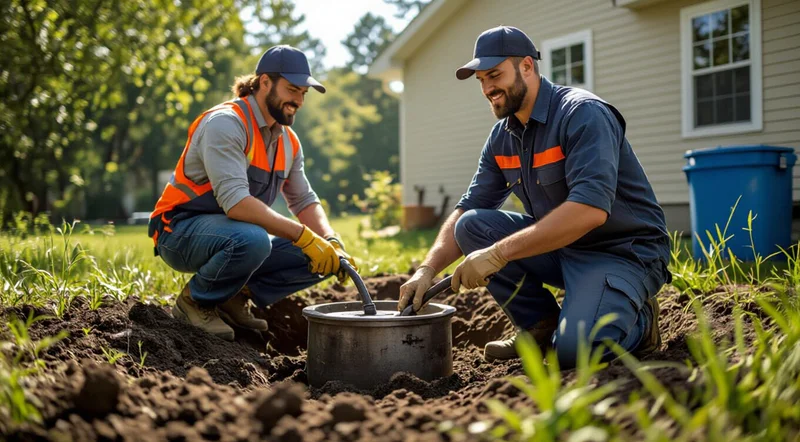
Matched local pros arrive with a vacuum pump truck sized for residential properties in Wilmington, NC. They start by locating and exposing the access lids, taking care to protect turf and landscaping. Before pumping, they measure sludge and scum layers and note the condition of the inlet, outlet, and baffles. This quick check helps confirm the tank really needs service and guides how thoroughly to agitate and remove solids.
During septic tank pumping, the technician connects a vacuum hose and begins extracting the tank contents. They may use controlled backflushing or water agitation to break up heavy sludge, making sure to avoid pushing solids toward the outlet. Effluent filters, if present, are removed and rinsed. The crew keeps a close eye on tank integrity, looking for signs of corrosion, cracks, or displaced tees and baffles that could lead to future problems.
Once the tank is emptied, components are cleaned and reinstalled. The inlet and outlet areas are checked for roots or debris that could restrict flow, and fittings are cleared. Pros finish by confirming the tank refills to a normal operating level from the house, not by adding water to the tank, so the system settles naturally. Access lids are reset and sealed, excavation is backfilled, and the area is raked smooth so your yard looks neat.
All removed material is transported to an approved disposal facility. Local crews document pump-out volumes and disposal locations to meet environmental regulations. You’ll get notes on tank size, condition observations, and any maintenance recommendations so you know what to watch and when to plan your next service.
Because Wilmington neighborhoods vary - from mature lots with deep lids to newer builds with risers; local pros come prepared with digging tools, lid lifters, and hoses long enough to reach tanks without driving heavy trucks onto sensitive areas. That planning helps minimize disruption and protects your lawn, driveway, and drainfield.
Standard Residential Pump-Out
Complete removal of tank contents with vacuum truck, including basic agitation to clear settled solids.
Heavy-Solids Extraction
Extra agitation and controlled backflush to break up thick sludge or grease layers when needed.
Effluent Filter Service
Remove, rinse, and reinstall the outlet filter to restore proper flow and protect the drainfield.
Baffle And Tee Check
Inspect and clear inlet/outlet baffles or tees; note wear, displacement, or damage for follow-up.
Lid Locating And Light Digging
Find buried access points and hand-dig shallow lids with careful turf protection.
Disposal Documentation
Record pump-out volume and disposal site for your records and regulatory compliance.
What affects the cost of septic tank pumping
Final pricing depends on the specifics of your system and property. Tank size and how long it has gone between services influence the volume and thickness of solids, which affects time on site. The depth and number of access lids matter as well, since locating and hand-digging add labor before pumping can begin.
Access to the tank and parking for the pump truck also play a role. Long hose runs, tight driveways, gates, or steep grades can add setup time. If effluent filters are heavily clogged, or if inlet/outlet areas require extra clearing, the visit may take longer than a routine pump-out.
Regulatory and disposal factors are part of every quote. Crews must transport and discharge waste at approved facilities, and the distance to those sites, along with disposal fees, influences the overall price. Wilmington’s sandy soils often make digging easier, but older tanks without risers can still require more effort to expose lids.
Scheduling windows are during normal business hours. The office keeps Monday–Friday, 9 AM–5 PM for scheduling questions at (910) 765-8593. For a general idea of what to expect, see typical septic tank pumping costs in Wilmington, NC, then confirm your property’s details with the pro you’re matched with.
Independent local contractors typically charge $350 - $600 for septic tank pumping - 1000-1500 gal. See typical septic tank pumping costs.
Why Choose Us for Septic Tank Pumping?
Vetted local pumping crews
Septic Tank Inspection Wilmington NC connects you with established Wilmington pros who know coastal soils and high groundwater conditions.
Clean, careful work
Crews protect turf and hardscape, use long hoses to avoid driving on the drainfield, and leave the area tidy.
Proper disposal every time
Waste is taken to approved facilities with documented volumes, supporting environmental compliance.
Equipment for tough jobs
From heavy-solids agitation to deep lids without risers, teams arrive prepared to handle real-world conditions.
Clear communication
Simple scheduling windows, upfront scope, and notes after service help you plan the next maintenance interval.
Serving Wilmington, NC homes
Local knowledge of neighborhoods and access challenges keeps visits efficient and predictable.
How local pros handle the job
Scheduling And System Check
Share your address, approximate tank location, number of bedrooms, and last service date so the crew brings the right equipment.
Pre-Arrival Prep
You’ll get a brief arrival window and simple yard prep tips, like clearing vehicles from the access path and securing pets.
Locate And Expose Lids
Technicians find the access points and hand-dig as needed, protecting lawn and hardscape while setting up the pump truck and hoses.
Pump-Out And Clean
The tank is vacuumed, solids are agitated for full removal, and the effluent filter and baffles are cleaned to restore flow.
System Check And Notes
With the tank empty, the crew inspects visible components and notes any concerns or maintenance recommendations.
Backfill And Disposal
Lids are sealed and the site is restored. Waste is transported to an approved facility with documentation recorded for your records.
Septic Tank Inspection Wilmington NC Is Proud to Serve the Wilmington, NC Area
Septic Tank Pumping FAQs
How long does septic tank pumping take for a typical home?
Most residential septic tank pumping visits take about one to two hours on site, depending on tank size, lid depth, and access. Heavier solids or buried lids can add time. Crews aim to work efficiently while protecting your yard. Water service to the home can remain in normal use, with brief pauses if advised by the technician.
Does septic tank pumping include cleaning the effluent filter and baffles?
Yes. During septic tank pumping, technicians remove and rinse the effluent filter and check inlet and outlet baffles or tees. Clearing these components helps protect the drainfield and restore flow. Any damage or wear found will be noted for follow-up.
Will my yard be disturbed during septic tank pumping?
Pros try to minimize disruption. If lids are buried, they hand-dig and set tarps to contain soil, then backfill and rake smooth afterward. If you have risers at grade, no digging is needed. Trucks typically stay on the driveway while long hoses reach the tank.
Is it safe to schedule septic tank pumping after heavy rain or when groundwater is high?
Yes, septic tank pumping can be performed in wet conditions, but technicians will assess access and soil stability for safety. High groundwater doesn’t prevent pump-outs, though crews take extra care near drainfields to avoid rutting. If conditions could risk yard damage, they may suggest a short delay.
Do technicians need to enter my home during septic tank pumping?
Usually, no. Septic tank pumping is performed outside at the tank location. The crew may briefly run water at an exterior spigot or ask you to flush a toilet to confirm flow, but indoor access is rarely required.
What should I avoid putting down drains before and after septic tank pumping?
Avoid flushing wipes, hygiene products, and non-biodegradable items, and limit fats, oils, and grease. Harsh chemicals and excessive bleach can disrupt the tank’s biology. After septic tank pumping, returning to good habits helps keep solids manageable and extends the time between services.
Contact Us Today for a Free Estimate
Free — no obligations